What Are the Benefits of Paint Protection Film for Vehicles Driving on Roads
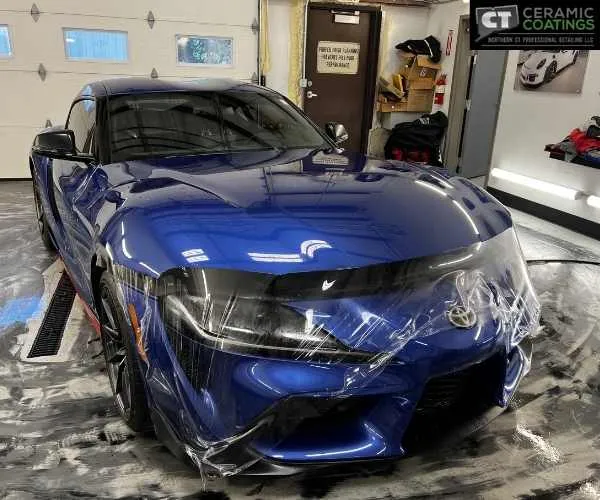
Paint protection film (PPF) benefits vehicles by creating a durable, clear barrier that absorbs physical impacts from road debris, blocks harmful UV rays, and seals
Specializes in high quality ceramic coatings

Paint protection film (PPF) benefits vehicles by creating a durable, clear barrier that absorbs physical impacts from road debris, blocks harmful UV rays, and seals

Deciding between paint correction and full repainting depends entirely on how deep your vehicle’s paint damage goes. Paint correction is a non-invasive process that removes

When using window tint at night, drivers should prioritize visibility by choosing a film with a functional Visible Light Transmission (VLT) percentage and ensuring the

Ceramic coating provides a semi-permanent chemical bond that offers long-term paint protection, extreme hydrophobic properties, and a deep gloss finish that traditional waxes cannot match.

Professional window tint typically lasts between 5 to 10 years, depending on the material quality and environmental exposure. High-performance films, such as ceramic or carbon-based

Paint Protection Film (PPF) is the most effective defense against winter debris, acting as a high-impact sacrificial barrier that absorbs the energy of flying salt,

Ceramic coating is a fixed product, but the process leading up to its application varies significantly. The price difference is not about the coating itself;

Professional paint correction varies based on vehicle size, paint condition, and the level of defect removal required. Light swirl removal and enhancement work is typically

If your vehicle’s paint has scratches or swirl marks, paint correction is the most effective way to restore a smooth, glossy finish. This process removes

Choosing the right tint percentage for your vehicle is about balancing privacy, heat reduction, visibility, and safety. The perfect tint allows you to stay comfortable