
Climate-controlled car storage keeps temperature and relative humidity stable, preventing damage from seasonal atmospheric shifts. Controlled environments eliminate interior condensation, stop rubber seals from drying out, suppress rust formation, and protect electronic systems. Shielding luxury, classic, and high-value vehicles from environmental extremes preserves their mechanical and physical condition over long periods.
The Hidden Hazards of Standard Vehicle Storage
Storing a fine automobile in a standard garage, outdoor carport, or unheated unit exposes it to constant environmental stress. Basic storage shields vehicles from rain and direct snow, but it does not control humidity, temperature shifts, or pest intrusion. Over time, these unmanaged variables compromise critical mechanical and aesthetic components.
Environmental Stressors in Unconditioned Spaces
- Thermal Cycles: Unconditioned structures overheat in summer and freeze in winter. Repeated metal and plastic expansion causes material fatigue and degrades vehicle fluids.
- Relative Humidity Spikes: Sudden indoor temperature drops force water vapor out of the air. Moisture condenses directly on cold chassis components, brake rotors, and exhaust runs, starting the oxidation process.
- Pest Intrusion: Standard storage facilities rarely feature airtight architectural seals. Rodents chew wiring insulation, nest inside air filter housings, and destroy cabin upholstery.
Passive shelter cannot halt natural atmospheric breakdown. Preserving an automobile long-term requires active environmental controls.
Regional Climate Impacts and Moisture Risks
Vehicle owners across Hartford County face sharp seasonal shifts that damage stored automobiles. Unheated spaces allow airborne moisture to settle across cool metal surfaces throughout cold months.
Facilities providing climate controlled car storage in Suffield isolate vehicles from localized weather patterns and extreme thermal shifts. Continuous dehumidification keeps relative humidity within a safe 40% to 50% window, cutting off rust formation at the source.
Moisture and Rust Control: Protecting Your Vehicle’s Foundation
Humidity drives long-term vehicle degradation. When relative humidity exceeds 50%, steel and iron surfaces oxidize quickly. Standard storage spaces lack moisture barriers, letting damp air corrode exposed underbody components.
Prevention of Moisture Damage Across Vehicle Systems
| Component Group | Standard Storage Risk | Climate-Controlled Solution |
| Undercarriage & Suspension | Flash rust on steel arms, corroded fasteners | Controlled 45% relative humidity stops moisture settling |
| Brake Systems | Rotor pitting and stuck calipers from trapped dew | Dry ambient air prevents condensation on bare iron |
| Exhaust Systems | Internal rust from acidic condensation buildup | Regulated air mass stops moisture forming inside pipes |
| Electrical Connectors | Copper pin oxidation causing system errors | Moisture-free space keeps electrical contacts clean |
Preserving Interior Craftsmanship and Electronics
Luxury, vintage, and high-performance cabins feature sensitive materials requiring strict climate stability. Unregulated humidity breeds mold and mildew on leather seats, suede trim, and carpet backing. Heat bakes natural oils out of upholstery, leaving leather dry, cracked, and discolored.
Protecting Fine Leathers and Upholstery
Preserving cabin materials requires balanced air purity, stable humidity, and controlled temperatures. Trapped cabin moisture in unheated spaces fosters microbial growth, leaving behind odors and permanent stains.
Regulated facilities control ambient conditions to protect cabin materials:
- Moisture Balance: Preserves natural oils in leather while stopping mold growth.
- Thermal Stability: Keeps dash and door panel adhesives intact.
- Air Filtration: Traps dust particles that scratch polished wood trim and delicate surfaces.
Safeguarding Complex Electronic Systems
Modern high-performance vehicles rely on microprocessors, sensors, and intricate wiring networks. Temperature extremes weaken solder joints, while humidity corrodes wiring pins, causing hard-to-diagnose electrical failures. Regulated storage holds digital modules and wiring assemblies in their ideal environment year-round.
Local Preservation Solutions for Automotive Enthusiasts
Selecting an indoor facility for a collector car requires reviewing local specs and climate systems. Booking climate controlled car storage in Suffield, CT gives owners access to spaces built specifically for high-value vehicles.
Regional facilities built to these specs protect brake systems, suspension components, and custom bodywork from raw exterior weather.
Fluid Stability and Mechanical Integrity Over Time
Vehicles perform best when driven regularly. When an automobile sits idle for months, fluid chemistry and mechanical assemblies face elevated risk without environmental controls.
Preventing Fluid Degradation
Engine oil, brake fluid, coolant, and fuel degrade over time, and temperature shifts speed up that breakdown:
- Engine Oil: Freezing temperatures thicken engine oil, causing dry, harsh starts. Extreme heat oxidizes oil, creating internal sludge.
- Brake Fluid: Glycol brake fluid absorbs water from humid air. Moisture lowers the fluid’s boiling point and corrodes internal master cylinder components.
- Fuel Systems: Thermal swings force fuel tanks to vent air, bringing in moisture that contaminates gasoline and causes fuel separation.
Maintaining steady temperatures protects fluid integrity, keeping engine and hydraulic systems ready for action.
Tyre Preservation and Flat-Spot Prevention
Tyre rubber degrades when exposed to extreme heat or sub-zero cold. Low temperatures make high-performance rubber brittle, while heat speeds up sidewall dry rot. Combined with constant vehicle weight, shifting temperatures cause flat spots on tires. Controlled environments preserve rubber flexibility, protecting tyre structure during extended storage.
The Technology Behind Advanced Vehicle Storage
Professional storage requires engineered facilities fitted with industrial HVAC systems, air scrubbers, and microclimate sensors.
At CT Ceramic Coatings, our facility is engineered specifically around these preservation standards. We draw on our nine years of expertise in high-end vehicle care to provide unmatched services and unparalleled protection for every vehicle entrusted to us.
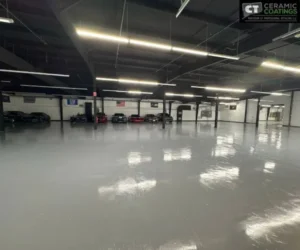
Our facility features a dedicated climate-controlled shop designed to eliminate thermal strain. Incorporating precision equipment and advanced technology, our systems monitor air balance continuously to ensure stable conditions year-round. Every vehicle receives care centered on detailed craftsmanship, keeping paint finishes, mechanical parts, and cabin materials in top condition. This process delivers superior durability and exceptional protective qualities, keeping your vehicle fully preserved against age and environmental wear.
Protecting Your Vehicle Investment Locally
Storing a luxury car in a dedicated Suffield climate controlled car storage keeps clear coats, paint layers, and protective films safe from winter frost and spring moisture.
Consistent indoor conditions prevent costly paint correction, interior restoration, and mechanical work when taking your car out of storage.
Comparative Analysis: Standard vs. Climate-Controlled Storage
Choosing the right storage space comes down to comparing protection against long-term mechanical and physical risk.
| Preservation Attribute | Standard Unit / Unheated Garage | Professional Climate-Controlled Storage |
| Temperature Control | Tracks outside weather extremes | Fixed temperature range year-round |
| Humidity Regulation | Uncontrolled; dew points form condensation | Active dehumidification stops rust and mold |
| Air Filtration | Unfiltered; dust and pollen coat the paint | Air filtration removes ambient dust and grit |
| Pest Mitigation | Basic or open perimeter sealing | Sealed facility perimeter with active pest controls |
| Paint Finish Integrity | Vulnerable to moisture and temperature wear | Protected environment preserves coatings, PPF, and gloss |
| Vehicle Value Impact | Accelerates age-related cosmetic wear | Maintains vehicle condition and resale value |
Preserving Coated and Protected Vehicles
For vehicles protected by Paint Protection Film (PPF) or ceramic coatings, climate-controlled storage maintains product durability.
Unconditioned storage exposes clear coats and protective films to moisture pockets and rapid thermal expansion, weakening film adhesives over time. Storing your car in a regulated indoor unit keeps ceramic coatings intact and ensures PPF adhesives stay clear, firm, and fully bonded to the bodywork.
Frequently Asked Questions
What is the ideal temperature and humidity for long-term car storage?
The ideal environment for vehicle storage is a stable temperature between 60°F and 70°F with relative humidity held between 40% and 50%. This range stops metal oxidation, keeps leather supple, and prevents mold growth.
Is climate-controlled storage necessary for modern daily vehicles?
While daily drivers handle raw weather well when used regularly, long-term storage changes the risk profile. Sitting idle in unconditioned air causes condensation to settle inside engine bays, brake lines, and cabins. Climate-controlled storage is recommended for any vehicle stored longer than 60 days.
Can standard storage damage a vehicle’s paint?
Yes. Rapid humidity shifts in standard storage cause dew to settle under car covers or directly on clear coats. Trapped moisture can cause clear coat clouding, paint etching, and premature lifting of protective films.
Experience the Elite Protection Advantage
Preserving a fine vehicle requires more than basic shelter, it takes an engineered facility designed for vehicle care.
At CT Ceramic Coatings, we combine technical knowledge, luxury facilities, and decades of vehicle preservation experience to protect your automotive investment. Located conveniently for owners across Hartford County, our facility offers an uncompromising environment engineered to preserve your car for years to come.
Ready to protect your vehicle? Contact us today!