
Climate controlled car storage helps protect a vehicle during long-term storage by continuously regulating temperature and humidity levels to stop the degradation of sensitive automotive components. Maintaining a steady environment prevents moisture accumulation that triggers rust, stabilizes fluids, and protects delicate materials like leather, rubber seals, and advanced electronics from cracking or warping. This specialized storage solution effectively shields your investment from the destructive environmental swings that standard garages cannot control.
The Hidden Destructors of Vehicles in Extended Storage
When a luxury, performance, or collectible vehicle is left in a standard storage unit or a conventional home garage, it faces quiet, destructive forces. Many car owners assume that keeping a car shielded from rain and snow is enough to preserve its value. However, the true threats to an idle vehicle are much more subtle, working silently beneath the hood and inside the cabin.
Humidity and the Accelerated Oxidation Process
Moisture damages vehicles during extended periods of inactivity. In a traditional garage setting, relative humidity fluctuates based on daily weather patterns. When warm, moisture-laden air hits a cold metal car body or frame, it condenses into liquid water.
This trapped moisture initiates oxidation, leading to surface rust and deep structural corrosion. Beyond the exterior metal, high humidity breeds mold and mildew within porous interior materials, permanently ruining leather seats, carpeting, and headliners.
Temperature Extremes and Thermal Expansion
Fluctuating temperatures cause automotive materials to expand and contract at different rates. In the winter, freezing conditions cause rubber hoses, belts, and seals to become brittle and crack. Conversely, intense summer heat bakes the interior, drying out leather and causing plastic dashboards to split.
Extreme heat breaks down vital automotive fluids, causing oil to separate and coolant to degrade faster than it would under stable conditions.
How Environmental Stabilization Preserves Automotive Integrity
An advanced storage environment eliminates these variables by creating a continuous, balanced climate. By removing seasonal spikes and drops, your vehicle remains in a suspended, preserved state.
1. Eliminating Rust and Metallic Corrosion
By keeping relative humidity levels strictly below 50 percent, the air remains dry enough to prevent condensation from forming on metal components. This safeguards brake rotors, undercarriage components, engine blocks, and body panels from developing rust.
2. Safeguarding Complex Electronics
Modern performance and luxury vehicles are packed with sophisticated computers, wiring harnesses, and digital displays. Damp environments corrode delicate electrical contacts, leading to phantom warning lights, dead modules, and expensive diagnostic bills when you attempt to start the car after storage. Keeping the air regulated ensures these electrical systems stay completely dry and operational.
- Maintaining Interior Luxury and Exterior Trim
Leather interiors require a delicate balance of moisture, too much causes mold, while too little causes the material to dry out, stiffen, and crack. A managed environment preserves the natural oils within leather upholstery. It also prevents rubber door seals, window weatherstripping, and suspension bushings from dry-rotting and losing their flexibility.
Precision Vehicle Preservation: The CT Ceramic Coatings Standard
Preserving a high-end vehicle requires more than just an empty room with a thermostat. At CT Ceramic Coatings, we approach vehicle preservation with a philosophy centered around uncompromising quality, technical excellence, and an elevated client experience. Our processes are built upon our proprietary nine years of expertise, a milestone that allows us to deliver unmatched services and unparalleled protection tailored exactly to what discerning collectors require.
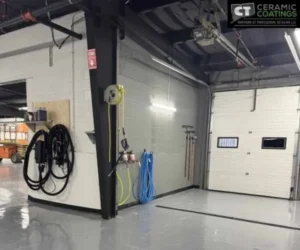
Every vehicle trusted to our care benefits from our highly specialized, state-of-the-art climate-controlled shop. This facility is engineered to feature optimal working and storage conditions, combining industrial air conditioning, insulated epoxy flooring, and advanced technology to eliminate environmental fluctuations entirely.
To ensure your investment is monitored perfectly, we utilize precision equipment to track ambient metrics 24/7. This dedication to detailed craftsmanship ensures that your vehicle’s paint work, mechanical systems, and interior materials are preserved under the exact conditions required for multi-year durability and exceptional protective qualities.
Local Expertise Serving Our Region’s Collectors
Automotive enthusiasts across our region face unique challenges due to our distinct New England seasonal shifts. From freezing, salt-laden winter months to humid, scorching summers, local vehicles endure intense environmental stress. During a recent audit for a performance car collector in Hartford County, our team identified significant sub-surface oxidation on a vehicle that had been stored in a standard unheated garage for just one winter season. This highlights exactly why a professional, protective environment is necessary.
Whether you are looking to preserve a vintage muscle car over the winter or protect an exotic supercar while traveling, finding specialized climate controlled car storage in Southwick, MA is the single best step you can take to protect your vehicle’s value.
Our facility is ideally positioned to serve collectors throughout Hartford County and the broader surrounding areas. Car owners searching for reliable climate controlled car storage in Southwick trust our team because we combine top-tier preservation spaces with world-renowned protective installations, including certified XPEL paint protection films and premium ceramic coatings.
By trusting your asset to our local Southwick climate controlled car storage, you ensure your vehicle avoids the harsh seasonal dampness typical of our region, maintaining its pristine aesthetic and mechanical health year-round.
Step-by-Step: Preparing Your Car for Long-Term Storage
Before rolling your vehicle into a premium environment, performing a proper preparation ritual locks in its current condition and prevents issues from developing while it sits idle.
1.Deep Clean the Exterior and Interior: Wash the vehicle thoroughly to remove road salt, bird droppings, and contaminants that can permanently etch the clear coat. Vacuum the interior to remove food crumbs that could attract pests, even in a secure facility.
2.Top Off Fluids and Change the Oil: Change the oil right before storage. Used engine oil contains acidic contaminants that can corrode internal engine components over time. Fill the gas tank completely and add a premium fuel stabilizer to prevent the fuel from oxidizing and degrading.
3.Overinflate Tires Slightly: Inactivity causes tires to develop temporary or permanent flat spots from holding the vehicle’s weight in one position. Clean the tires and inflate them roughly 5 psi above their normal recommended pressure to help them maintain their round shape.
4.Connect a Smart Battery Maintainer: Modern vehicle computers constantly draw a tiny amount of power. Attach a smart trickle charger or battery maintainer directly to the battery terminals to keep the battery charged without overcharging or damaging the cells.
People Also Ask
What is the ideal temperature and humidity for car storage?
The ideal setting for long-term vehicle preservation is a constant temperature between 55°F and 70°F, paired with a relative humidity level maintained between 45% and 50%. This prevents both metallic rust formation and the drying out of delicate interior leathers and rubbers.
Can a car develop flat spots on tires during storage?
Yes. When a vehicle sits in one spot for more than 30 days, the constant downward pressure can flatten the contact patch of the tire. Keeping tires inflated slightly above normal spec and storing the vehicle on specialized tire cradles or a smooth epoxy surface helps minimize this risk.
Is a climate-controlled unit necessary if I use a premium car cover?
Yes. A car cover only protects against dust and minor physical contact; it cannot stop ambient moisture or air temperature changes. Trapping humid air underneath a car cover in an unventilated garage can accelerate rust and mold growth.
Experience the CT Ceramic Coatings Difference
At CT Ceramic Coatings, we give discerning vehicle owners complete confidence, pride, and excitement. When you choose to partner with us, you can rest assured knowing your vehicle has received the highest level of protection available. Our state-of-the-art facility stands apart, combining elite climate control systems, flawless epoxy flooring, and an ultra-bright 136-spotlight array designed for microscopic quality checks.
Contact us today to request a quote and schedule your private consultation.