
Climate-controlled car storage prevents rust, corrosion, and moisture-related damage by maintaining a stable, low-humidity environment that halts the chemical reactions responsible for metal oxidation. By eliminating extreme temperature swings and moisture accumulation, a specialized facility protects sensitive electronic components, prevents mold growth, and preserves interior leather and fabrics. Utilizing a regulated storage space ensures that automotive finishes and structural elements remain completely shielded from environmental degradation over long periods.
The Hidden Mechanics of Moisture Damage and Metal Oxidation
Unregulated garage air exposes sensitive vehicle components from ferrous metals to cabin electronics to damaging atmospheric shifts. When relative humidity climbs above 50% or daily temperatures drop to the dew point, ambient moisture condenses directly onto cold surfaces. Instead of evaporating, this water vapor migrates deep into hidden frame rails, rocker panels, and floor carpets, driving the chemical reaction that forms structural rust, bubbles paint, and degrades vehicle value over time.
How Atmospheric Control Safeguards Automotive Infrastructure
True climate protection relies on strict regulation of two distinct variables: ambient temperature and relative humidity. It is a common misconception that simply keeping a garage warm is enough to protect a vehicle. In fact, heating a humid space without actively managing moisture levels can actually accelerate the chemical reactions that cause corrosion.
Advanced facilities utilize commercial-grade dehumidification systems integrated with precise HVAC hardware. The target environment is continuously engineered to maintain a relative humidity level between 40% and 50%, alongside a stable temperature hovering between 65°F and 72°F.
Ideal Environmental Conditions for Vehicle Preservation
| Climate Metric | Target Storage Range | Primary Protective Benefit |
| Relative Humidity | 40% – 50% | Completely halts oxidation and prevents mold/mildew growth. |
| Ambient Temperature | 65°F – 72°F | Prevents thermal shock and stops structural condensation cycles. |
| Air Quality | Filtered / Dust-Free | Eliminates abrasive particles from settling on delicate clear coats. |
Maintaining these precise parameters prevents the air from reaching its dew point, eliminating condensation on raw metal components, brake rotors, and exhaust systems. This stable atmosphere also protects structural seals, prevents rubber suspension bushings from drying out, and shields sensitive dashboard electronics from the thermal cycles that cause circuit board micro-fractures.
The Threat of Thermal Shock and Condensation Cycles
Fluctuating temperatures pose a distinct, silent threat known as thermal shock. When a vehicle transitions rapidly from a freezing night to a warm, humid morning, the dense metal frame of the car retains the cold temperature much longer than the surrounding air. This temperature differential turns the vehicle into a literal moisture magnet, drawing water vapor out of the air and turning it into liquid droplets across every square inch of the machine.
During a recent audit for a firm in Somers, our technical team analyzed how unregulated regional weather patterns dramatically accelerate internal corrosion in classic and performance vehicles. The data proved that vehicles stored in standard garages experience hundreds of mini-condensation cycles over a single winter season. Each cycle leaves behind a layer of moisture that works its way into electrical connectors, causing terminal corrosion, erratic ground faults, and phantom electrical issues that are incredibly difficult and expensive to diagnose.
How to Prepare a Vehicle for Long-Term Storage
To maximize the benefits of an optimized atmosphere, vehicles must undergo precise preparation. Following a structured protocol ensures that no underlying moisture or contaminants are trapped against the vehicle surfaces during its storage duration.
1.Decontaminate the Exterior Finish:
Perform a multi-stage wash to remove road salt, acidic bug splatter, and industrial fallout. Follow up with a clay bar treatment to clear embedded contaminants from the clear coat porous layer.
2.Execute Deep Internal and Exterior Drying:
Use heated, pressurized air to force trapped water out of door jambs, mirror housings, emblems, and lug nut wells, ensuring the vehicle is 100% dry.
3.Stabilize Mechanical Fluids:
Change the engine oil to remove acidic combustion byproducts. Top off the fuel tank and add a premium fuel stabilizer to prevent moisture condensation inside the fuel cell.
4.Set Optimal Tire Pressures:
Inflate tires to the maximum recommended PSI listed on the sidewall to avoid flat-spotting, or place the vehicle on dedicated storage cradles.
Unrivaled Protection Through Engineering and Craftsmanship
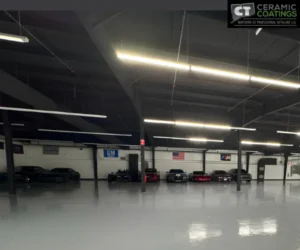
Preserving an automotive investment demands an environment built on technical excellence. At CT Ceramic Coatings, we back our operational philosophy with over nine years of expertise, delivering unparalleled protection through detailed craftsmanship and advanced technology. Our state-of-the-art climate-controlled shop eliminates environmental variables by utilizing precision equipment to continuously manage air quality, temperature, and moisture levels under a luxury-grade setup featuring epoxy floors and 136 individual spotlights for flawless visibility. This dedication to durability and exceptional protective qualities ensures optimal conditions for our premier XPEL-certified ceramic coatings and paint protection films (PPF). Applying these premium, hydrophobic layers within a perfectly regulated atmosphere guarantees zero dust contamination and maximum surface bonding to shield vehicles from long-term environmental degradation.
Beyond Metal: Preserving Interior Fabrics, Leather, and Electronics
While rust and structural corrosion are the most obvious threats, moisture-related damage wreaks havoc on a vehicle’s interior cabins and mechanical subsystems. High humidity environments provide the perfect breeding ground for mold and mildew spores. These microscopic fungi thrive in dark, stagnant environments, quickly colonizing leather seating, suede headliners, carpeting, and seatbelts. Once mold takes root, it leaves behind permanent stains, destroys the structural integrity of organic fibers, and creates a persistent, toxic odor that ruins the luxury cabin experience.
Vulnerable Non-Metal Components At Risk
- Organic Leather Interior: High humidity triggers fungal blooms, leading to mold damage, dry rot, and permanent fiber discoloration.
- Hygroscopic Brake Fluids: Standard braking fluids actively absorb ambient water vapor through rubber lines, lowering the boiling point and corroding internal ABS valves.
- Wiring Harness Connectors: Copper contact points oxidize in humid conditions, forming a green crust that disrupts signal voltage and triggers false dashboard warnings.
- Rubber Trim and Bushings: Extreme temperature shifts dry out essential structural seals, causing them to shrink, crack, and fail prematurely.
By utilizing precision climate management, you ensure that the cabin air remains dry and pure, completely neutralizing mold growth while safeguarding vital mechanical fluids from degradation.
Specialized Fleet Care Across Regional Hubs
Our team leverages advanced CRM automation to ensure rapid communication, effortless scheduling, and detailed digital logging for every vehicle in our care. This precision-driven approach appeals directly to discerning owners, professionals, and car enthusiasts who demand technical excellence in every facet of asset maintenance.
Vehicle owners looking to shield their investments during harsh seasonal transitions often seek out reliable climate controlled car storage in Springfield, MA. Maintaining a completely moisture-free baseline environment is a critical component of long-term asset value protection.
For this reason, securing specialized climate controlled car storage in Springfield is widely considered the gold standard among regional automotive collectors.
Utilizing a dedicated Springfield climate controlled car storage network gives owners total confidence that their fine machinery will remain completely insulated from the destructive condensation cycles typical of regional weather patterns.
People Also Ask
What is the ideal humidity level for long-term car storage?
The ideal relative humidity for automotive storage is between 40% and 50%. Keeping the humidity below 50% completely halts the chemical process of rust oxidation and prevents the growth of mold and mildew, while keeping it above 40% ensures that leather interiors, rubber seals, and structural gaskets do not dry out, crack, or become brittle over time.
Can a car rust in a non-climate-controlled garage?
Yes, cars can rust rapidly in standard garages. Unregulated garages experience sharp temperature swings that cause the ambient air to hit its dew point, leading to condensation on cold metal surfaces. This trapped moisture settles into frame rails, body panels, and electrical connectors, causing silent, structural oxidation even if the vehicle is shielded from direct rain or snow.
How does climate-controlled storage protect automotive electronics?
Climate-controlled storage protects electronics by preventing moisture condensation and eliminating extreme thermal expansion cycles. High humidity causes corrosion on delicate circuit boards and wiring harnesses, leading to electrical failures. Maintaining a stable, dry environment ensures that connections stay clean and free of green copper corrosion or terminal degradation.
Experience the Precision Difference
Securing your vehicle’s future requires a partnership with trusted experts who refuse to compromise on quality. At CT Ceramic Coatings, we deliver an elite level of protection, aesthetic enhancement, and long-term preservation tailored precisely to each customer’s specific needs. Our mission is to provide an unmatched service experience that instills complete confidence, pride, and excitement every time you see your vehicle.
Don’t leave your investment at the mercy of unpredictable environmental elements, shifting humidity levels, and structural rust. Experience the technical excellence and luxury care that sets our brand apart.
Contact us to request a quote or schedule a technical consultation today.