
Professional ceramic coating creates a strong, protective layer over a vehicle’s paint, shielding it from scratches, UV rays, and environmental damage. It also enhances the car’s appearance and makes cleaning easier. Knowing how it works, the benefits it provides, and proper care helps drivers maintain their vehicle’s finish and keep it looking fresh for years.
This guide answers all the essential questions about professional ceramic coating and provides practical advice for vehicle owners looking to protect their investment.
What is Professional Ceramic Coating?
Ceramic coating is a liquid polymer that chemically bonds with a vehicle’s paint, forming a thin, transparent layer. Unlike wax or sealants, high-quality coatings are designed to offer durable protection against scratches, UV rays, and environmental wear.
The primary advantage is the creation of a hard, hydrophobic surface. This means water, mud, snow, and other debris bead up and roll off the car’s exterior. It minimizes staining and reduces the risk of contaminants etching into the paint. Over time, this layer helps preserve the car’s finish, maintaining its glossy appearance with minimal effort.
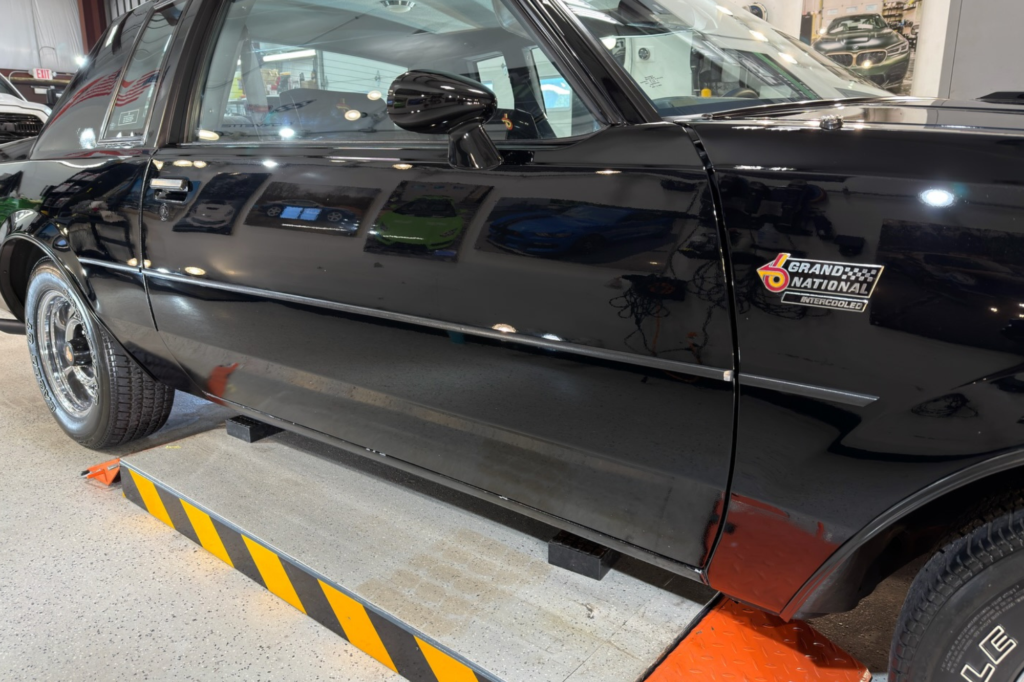
Additionally, ceramic coating enhances color depth and gloss, giving the car a richer, more vibrant appearance. This aesthetic improvement is often one of the first things drivers notice, even before the practical benefits like scratch resistance and easier cleaning.
Ceramic Coating vs. Wax vs. Sealant
Understanding the differences among ceramic coatings, waxes, and sealants helps drivers make informed decisions about vehicle protection.
| Feature | Ceramic Coating | Wax | Sealant |
| Longevity | Long-lasting | Short-term | Moderate |
| Scratch Resistance | High | Low | Medium |
| Water Beading | Excellent | Good | Good |
| UV Protection | Strong | Moderate | Moderate |
| Maintenance Required | Low | High | Medium |
While wax and sealants provide temporary protection, ceramic coating forms a more durable shield. It does not wash away quickly and can withstand harsh environmental conditions better than traditional methods.
For drivers seeking a low-maintenance, long-term solution, professional ceramic coating offers a clear advantage, especially in areas with frequent rain, snow, or sun exposure.
Why Drivers Benefit from Ceramic Coating
Ceramic coating offers several key benefits:
- Protection Against Environmental Damage: It shields the paint from UV rays, road salt, bird droppings, tree sap, and other contaminants that can damage a car’s exterior.
- Reduced Maintenance Effort: Its hydrophobic properties allow water and dirt to slide off, making washing easier and less frequent.
- Enhanced Appearance: The coating adds a deep gloss and improves the color’s richness, giving the vehicle a polished, showroom look.
During a recent evaluation of vehicles in Connecticut, it was observed that cars with professional ceramic coating retained their shine and sustained less damage from road debris than uncoated cars. A driver in Stamford reported that after the coating, washing the car took half the usual time and left fewer streaks or water spots.
Professional ceramic coating in Connecticut services ensure that vehicles are fully prepared to withstand local road conditions, particularly during winter when salt and slush can accelerate paint wear. The coating forms a protective barrier that extends the lifespan of the car’s finish while keeping it visually appealing.
How Professional Ceramic Coating Works
Professional ceramic coating involves several precise steps to ensure maximum effectiveness:
- Surface Preparation
The vehicle is thoroughly washed, decontaminated, and polished to remove scratches, oxidation, and other imperfections. A clean, smooth surface is essential for proper bonding. - Application of the Coating
The liquid polymer is carefully applied in thin layers. Each layer is allowed to bond and cure, building a protective barrier. Multiple layers may be applied to increase durability and gloss. - Curing
After application, the coating requires a curing period. During this time, the polymer chemically bonds with the paint, ensuring long-lasting protection. Proper curing is critical to the coating’s performance and longevity. - Post-Application Maintenance
Once cured, the coating requires minimal upkeep. Gentle washing, using pH-neutral soaps, and avoiding harsh chemicals will help maintain the coating’s hydrophobic properties and gloss.
Professional application is important because even minor errors during preparation or curing can compromise the coating’s durability. Proper technique ensures the coating performs as intended.
Applying This to Solve the Problem
Ceramic coating is especially useful for drivers dealing with environmental wear and tear or who want to maintain a vehicle’s appearance over time. Here’s how it can solve common problems:
- Assess Vehicle Condition
Inspect the paint for scratches, oxidation, or contaminants. Surface imperfections should be corrected prior to coating. - Choose a Professional Installer
Experienced installers ensure proper preparation, application, and curing. In Connecticut, installers take local climate into account to maximize coating performance. - Prepare the Vehicle Properly
Washing, claying, and polishing the vehicle ensures a clean, smooth surface for optimal adhesion. - Apply Coating in Controlled Conditions
Controlled indoor environments prevent dust, temperature fluctuations, and moisture from interfering with chemical bonding. - Follow Aftercare Instructions
Gentle washing, avoiding harsh chemicals, and periodic inspections maintain the coating’s effectiveness over time.
Using Connecticut ceramic coating services guarantees that these steps are performed correctly, providing vehicles with long-lasting protection that reduces maintenance frequency and preserves the finish.
Cost Considerations
Professional ceramic coating involves an investment, but the benefits often outweigh the cost. Factors affecting price include vehicle size, the number of coating layers applied, and the preparation required.
Investing in ceramic coating can reduce long-term expenses by decreasing the need for frequent detailing, polishing, and paint repairs. Drivers who maintain their coated vehicles properly enjoy both aesthetic and practical benefits over the long term, making it a cost-effective solution for vehicle protection.
Maintenance Tips Post-Ceramic Coating
Maintaining a ceramic-coated car is straightforward, but following proper practices is essential:
- Wash the vehicle using pH-neutral soaps to avoid damaging the coating.
- Avoid automatic car washes with abrasive brushes or harsh chemicals.
- Dry the car thoroughly to prevent water spots.
- Inspect the coating periodically and apply touch-ups if necessary.
For drivers in Connecticut, where winter road treatments and snow can leave corrosive residue on vehicles, regular maintenance ensures the coating continues to protect the paint effectively. Professional guidance helps maintain the integrity of ceramic car coating in Connecticut over the years.
Misconceptions About Ceramic Coating
A widespread misconception is that ceramic coating makes a car scratch-proof. While it improves resistance to minor scratches and swirl marks, it does not provide total immunity from damage.
Other myths include:
- Ceramic coating requires no maintenance.
- DIY ceramic coatings provide the same protection as professional-grade coatings.
Understanding these limitations helps drivers set realistic expectations and ensures proper care of their vehicles. Professional application, correct preparation, and routine maintenance are essential to maximizing the coating’s benefits.
Choosing a Professional Ceramic Coating Service
When selecting a professional installer, consider:
- Experience and reputation in applying ceramic coatings.
- Certifications or training demonstrating expertise.
- Customer reviews and feedback.
- Quality control measures and application protocols.
Professional services familiar with local conditions, such as Connecticut winters and summer UV exposure, ensure vehicles are protected year-round. Following expert recommendations maximizes the coating’s longevity and maintains the vehicle’s visual appeal.
In Summary
Ceramic coating offers a reliable way to protect a vehicle’s paint, enhance its appearance, and make maintenance easier. It guards against UV rays, road debris, and minor scratches, leaving a glossy, durable finish. Drivers benefit from a cleaner, longer-lasting look that helps preserve their vehicle’s value.
For drivers in regions with challenging weather, CT Ceramic Coatings provides expert application and maintenance to keep vehicles protected from environmental wear and tear. By understanding the process and clearing up common misconceptions, drivers can make an informed decision about this type of paint protection. Contact us today to get your free quote!
People Also Ask
Q: How long does professional ceramic coating last?
A: Professional ceramic coating lasts several years, depending on maintenance and environmental exposure.
Q: Can ceramic coating prevent all scratches?
A: No, it improves resistance to minor scratches but does not make a car completely scratch-proof.
Q: Do I need to wash my car after applying ceramic coating?
A: Yes, regular, gentle washing maintains the coating and prevents contaminants from building up.
Q: Is professional ceramic coating worth it?
A: Yes, it provides long-term paint protection, reduced maintenance, and enhanced visual appeal.
Q: How does ceramic coating perform in extreme weather?
A: Ceramic coating offers strong resistance to UV rays, road salt, and contaminants, making it suitable for harsh weather conditions.