
Windshield protection film can be a worthwhile investment for drivers who regularly encounter rocks, gravel, and road debris. It adds a transparent protective layer to the glass that can help reduce certain types of impact damage. Whether it is worth the cost depends on driving conditions, film quality, installation, and the potential expense of windshield repairs or replacement.
What Is a Windshield Protection Film and How Does It Work?
Windshield protection film is a transparent protective material applied to the exterior surface of a vehicle’s windshield. It is designed to help protect the glass from certain road hazards, including small stones, gravel, and debris kicked up by other vehicles.
This protection is particularly relevant for drivers who frequently travel on highways, construction routes, and roads where loose debris is common. However, no film makes a windshield completely impact-proof. A sufficiently strong impact can still cause chips, cracks, or breakage.
How Does the Film Protect Your Windshield?
The film acts as an additional barrier between the glass and potential road hazards. When small debris strikes the surface, the material may help reduce the force transferred directly to the windshield.
Its performance depends on several product characteristics:
- Material Construction: Determines the film’s ability to handle certain impacts and environmental exposure.
- Optical Clarity: Describes how clearly drivers can see through the installed material.
- Surface Protection: Provides an additional layer against certain minor abrasions.
- Hydrophobic Properties: Some products help water bead and move across the surface.
- Adhesion: Proper bonding helps the film remain securely attached to the glass.
These characteristics vary by manufacturer. Buyers should review the actual product specifications rather than assume every film provides the same protection.
Is Windshield Protection Film Worth the Investment?
For drivers who regularly encounter road debris, installing protective film may be a practical preventative measure. Windshield damage can require professional repair or complete replacement, and replacement expenses may be higher for newer vehicles with integrated cameras, sensors, and advanced driver-assistance systems (ADAS).
For vehicle owners considering windshield paint protection film in Connecticut, regular highway travel, construction zones, and seasonal road conditions are important factors when evaluating the investment.
5 Benefits of Installing Windshield Protection Film
- Helps Reduce Rock Chip Damage
Small stones and gravel can strike a windshield at highway speeds. Depending on the impact and film specifications, the protective layer may help reduce the likelihood of certain chips and surface damage.
- Helps Preserve Original Windshield Glass
Many vehicle owners prefer to retain their factory-installed windshield, particularly when their vehicles have specialized glass, integrated technology, or manufacturer-specific equipment. Reducing the risk of damage may help avoid unnecessary replacement.
- Provides Added Protection During Highway Driving
Drivers traveling behind trucks, construction vehicles, and heavy traffic regularly encounter loose debris. A protective layer adds another measure of defense against these hazards.
- Helps Maintain Glass Appearance
Certain films help minimize minor surface wear and abrasions. This can be useful for owners who want to maintain the appearance of their windshield.
- Provides Preventative Protection
Installing film before damage occurs allows vehicle owners to address potential risks in advance. It is a preventative investment rather than a solution for existing windshield damage.
Windshield Protection Film vs. Windshield Repair and Replacement
Understanding the difference between preventative protection and glass repair helps vehicle owners choose the appropriate solution.
Protection film is installed before damage occurs. Windshield repair addresses existing chips or cracks, while replacement involves removing damaged glass and installing a new windshield.
| Option | Primary Purpose | When It Is Appropriate |
| Windshield protection film | Preventative protection | Before damage occurs |
| Windshield chip repair | Address existing minor damage | When damage meets professional repair requirements |
| Windshield replacement | Replace damaged glass | When damage is severe or the glass cannot be safely repaired |
What Determines the Overall Cost?
The price of installation varies according to the vehicle, material, and labor involved.
Consider these factors when comparing quotes:
- Windshield Size and Shape: Larger or more complex windshields may require additional preparation and installation work.
- Film Quality: Different products have varying material specifications and performance characteristics.
- Installation Requirements: Professional preparation and application affect the overall price.
- Warranty Coverage: Manufacturers offer different warranty terms and replacement policies.
- Vehicle Technology: Integrated cameras and sensors may require additional compatibility checks.
What Features Should You Look for in Quality Windshield Protection Film?
Not all protective films are designed for windshield applications. Choosing a suitable product requires more than comparing prices or thickness. Optical clarity, material performance, durability, and vehicle compatibility should all be considered.
Important Product Specifications and Features
- Optical Clarity: The ability to maintain a clear view through the windshield without noticeable haze or distortion.
- Visible Light Transmission (VLT): The percentage of visible light that passes through the installed material. Windshield applications must comply with applicable visibility regulations.
- Impact Resistance: The ability of the film to help absorb or distribute energy from certain impacts. Performance varies by product.
- Scratch Resistance: A surface characteristic designed to minimize the appearance of certain minor scratches and abrasions.
- UV Protection: The film’s ability to block specified levels of ultraviolet radiation, depending on its construction.
- Hydrophobic Properties: A feature that encourages water to bead and move across the glass.
- Self-Healing Properties: Some materials can reduce the appearance of minor surface marks under specific conditions.
- Durability: The expected service life under recommended driving, cleaning, and maintenance conditions.
6 Steps in the Installation Process
- Windshield Inspection: The installer checks for existing chips, cracks, and other damage.
- Glass Cleaning: Dirt, residue, and surface contaminants are removed.
- Film Measurement: The material is measured and prepared according to the windshield’s dimensions.
- Film Application: The film is carefully positioned using the appropriate installation techniques.
- Smoothing and Edge Finishing: Excess moisture is removed, and the film is aligned correctly.
- Final Inspection: The installer checks for bubbles, imperfections, and adhesion issues.
How to Maintain Windshield Protection Film
Maintenance helps preserve the appearance and performance of the installed material. Although instructions vary by manufacturer, several practices can help prevent unnecessary wear.
Recommended Maintenance Practices
- Follow the manufacturer’s recommended curing period.
- Use cleaning products approved for the installed material.
- Avoid abrasive sponges and harsh chemicals.
- Clean the windshield with a soft microfiber towel.
- Follow the manufacturer’s recommendations for windshield wiper compatibility.
- Inspect the film regularly for bubbling, peeling, or edge lifting.
Signs Your Film Needs Professional Attention
Watch for these changes:
- Visible edge lifting.
- Persistent haze or distortion.
- Deep scratches or noticeable surface damage.
- Peeling or bubbling.
- Changes that interfere with visibility.
If any of these issues develop, have the installation inspected. Avoid attempting aggressive repairs or removal without checking the manufacturer’s recommendations.
The CT Ceramic Coatings Difference: Quality, Precision, and Customer Satisfaction
Selecting the right protective product is only part of the process. The facility performing the installation also matters. Product knowledge, working conditions, surface preparation, and attention to detail all contribute to the finished result.
At CT Ceramic Coatings, our commitment is reflected in the following statement:
“Our commitment to quality and customer satisfaction has earned us the trust of the community, making us the go-to facility for automotive enthusiasts and everyday drivers alike. Experience the CT Ceramic Coatings difference, where passion meets precision, and let us help you protect and enhance the beauty of your vehicle.”
This statement represents our focus on professional craftsmanship, reliable service, and customer satisfaction. We aim to give every customer a clear understanding of available protection options, the products being used, and the care required after installation.
XPEL Certification and More Than Nine Years of Experience
CT Ceramic Coatings brings over nine years of dedicated experience in vehicle protection, supported by XPEL certification. Our work focuses on premium vehicle protection and appearance enhancement, serving owners who expect careful handling and attention to detail.
A Facility Built for Precision
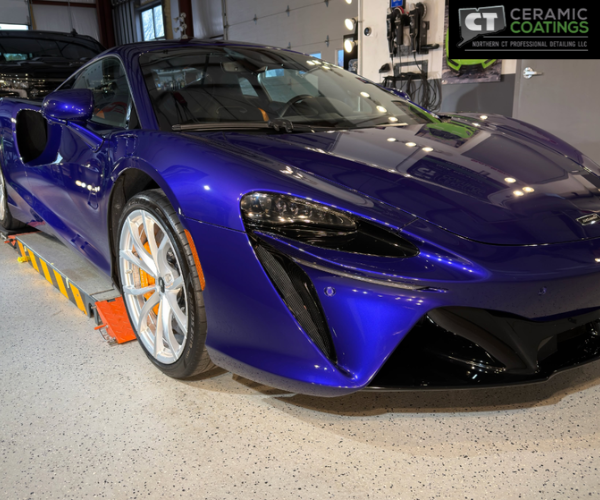
Our luxury-grade facility features 136 spotlights, air conditioning, and epoxy flooring. These features support a professional working environment where technicians can inspect vehicle surfaces and perform detailed application work under suitable conditions.
Proper lighting is particularly important during preparation and installation because it helps reveal imperfections that may otherwise go unnoticed.
A Customer Experience Built on Trust
Our commitment extends beyond the installation. We prioritize transparent recommendations, clear communication, and customer satisfaction throughout the service experience.
For drivers researching Connecticut windshield paint protection film, we encourage comparing product specifications, warranty coverage, installation procedures, and aftercare requirements before choosing a provider.
People Also Ask: Frequently Asked Questions
1. How long does windshield protection film last?
Its lifespan depends on the manufacturer’s specifications, environmental exposure, driving conditions, and maintenance. Ask your installer about the expected service life and applicable warranty.
2. Does windshield protection film prevent rock chips?
It can help reduce the risk of certain rock chips and impact-related damage by adding a protective layer to the glass. However, severe impacts can still damage the windshield.
3. Does windshield protection film affect visibility?
Quality products are designed to maintain optical clarity. However, unsuitable materials or improper installation may cause haze, distortion, or other visibility issues. Choose products specifically designed for windshield applications.
4. Can protection film be installed on a new car?
Yes. Installing preventative protection on a new vehicle can help reduce exposure to certain road hazards before the original windshield becomes damaged. The glass should be inspected before installation.
5. Can windshield protection film be removed?
Yes. Removal is generally possible, but the procedure depends on the product and its condition. Professional removal is recommended to help avoid unnecessary damage or adhesive residue.
6. Is windshield protection film better than repairing a rock chip?
They serve different purposes. Protective film is installed to help prevent certain types of damage, while chip repair addresses existing damage. A damaged windshield should be professionally assessed before installation.
7. Does windshield protection film require special cleaning?
Most products require non-abrasive cleaning methods and compatible glass-cleaning products. Follow the manufacturer’s instructions regarding cleaning materials, curing periods, and windshield wiper use.
8. Is windshield protection film worth it for luxury vehicles?
It may be particularly valuable for luxury vehicle owners who want to preserve original components and reduce exposure to road debris. Consider the vehicle’s usage, potential replacement expenses, and installation cost before deciding.
Conclusion: Is Windshield Protection Film Worth It for Your Vehicle?
At CT Ceramic Coatings, we combine product expertise, XPEL certification, professional craftsmanship, and a customer-focused approach to vehicle protection.
Whether you own a new daily driver, a luxury vehicle, or a performance car, the right protection starts with understanding your needs.
Protect your vehicle with precision and professional care. Visit CT Ceramic Coatings to discuss your vehicle’s requirements, explore available protection options, and request a personalized quote.
Contact us to discuss your window film preferences and get guidance before installation.