
If your vehicle’s paint has scratches or swirl marks, paint correction is the most effective way to restore a smooth, glossy finish. This process removes imperfections from the clear coat and reveals the original shine, giving your car a refreshed appearance. With proper technique and care, even older or weather-exposed vehicles can achieve professional-looking results.
Paint correction is not only about aesthetics, but it also helps protect the car’s value. Whether you are preparing a vehicle for resale or simply want it to look its best, understanding the process and proper maintenance is essential for long-term results.
Understanding Scratches and Swirls
Before starting paint correction, it’s important to understand what you are dealing with. Scratches and swirls differ in severity and formation, which determines the best correction approach.
Types of Scratches
- Light surface scratches – These only affect the clear coat and can often be removed with polishing. They are usually caused by dust, dirt, or improper washing.
- Medium scratches – Slightly deeper, these scratches may require compounding to remove. They often result from contact with harder objects, such as keys or branches.
- Deep scratches – Penetrate through the clear coat and may reach the paint layer below. These require more advanced correction, sometimes combined with touch-up paint.
Understanding the depth of a scratch before attempting to correct it is critical. Attempting to polish a deep scratch without proper care may worsen the damage.
Swirl Marks Explained
Swirl marks appear as fine, circular scratches that are often visible under direct sunlight or bright lighting. They are commonly caused by:
- Improper washing or drying techniques
- Using dirty microfiber towels or sponges
- Automated car washes with stiff brushes
Swirl marks are usually shallow, but if left untreated, they can make the paint appear dull and aged. Even minor swirls benefit from paint correction to restore a smooth and glossy finish.
During a recent detailing session in Connecticut, technicians observed that careful surface inspection before correction significantly improves results. They emphasized that proper lighting and awareness of paint depth are key to accurate treatment.
Tools and Materials Needed for Paint Correction
Successful paint correction starts with the right tools and products. Using improper equipment or low-quality materials can damage paint rather than improve it.
Essential Tools
- Polishers – Dual-action polishers are user-friendly and reduce the risk of paint burning, while rotary polishers provide faster correction for experienced users.
- Polishing pads – Foam pads are suitable for general polishing, microfiber pads for heavier correction, and wool pads for compounding deep scratches.
- Microfiber towels – High-quality towels prevent adding new scratches when removing polish residues.
Products Required
- Compound and polish – Compounds remove deeper scratches and imperfections, while polish enhances gloss and refines the paint surface.
- Detailing clay and lubricant – Used before polishing to remove bonded contaminants such as tar, sap, or industrial fallout.
- Paint protection layer – Applying a wax, sealant, or protective coating after correction helps maintain shine and reduces new imperfections.
Paint correction in Connecticut is frequently recommended by local professionals as part of regular vehicle maintenance. Proper tools and materials ensure the process is safe and effective.
Step-by-Step Paint Correction Process
Following a structured workflow ensures that scratches and swirls are removed efficiently and safely. This process also reduces the risk of creating additional imperfections.
Preparation
- Wash and dry the vehicle thoroughly to remove all dirt and grime.
- Decontaminate the surface using a clay bar and lubricant to remove bonded particles.
- Inspect the paint under bright or angled lighting to identify areas that need correction.
Preparation is critical because any dirt or debris left on the surface can cause additional scratches during polishing.
Compounding and Polishing
- Compounding – Apply a compound to areas with deeper scratches using slow, overlapping motions. Work in small sections to maintain control.
- Polishing – Follow with a polish to refine the paint surface and remove swirl marks. This step restores depth and gloss.
- Wipe off residue with clean microfiber towels between steps to prevent streaking or smearing.
Finishing and Protection
- Apply a protective layer, such as wax or a sealant, to preserve the corrected finish.
- Inspect thoroughly for missed spots, especially in shaded or hard-to-reach areas.
- Maintain using proper washing methods to avoid introducing new scratches.
Connecticut paint correction specialists often emphasize that careful attention to detail during this stage ensures long-lasting results. Vehicles exposed to salt, snow, and sun can particularly benefit from a protective layer after correction.
Comparison Table: Polisher Types
| Feature | Dual-Action Polisher | Rotary Polisher |
| Ease of Use | High | Moderate/Expert Required |
| Risk of Paint Damage | Low | High if inexperienced |
| Effectiveness of Swirls | Good | Excellent |
| Ideal For | Beginners | Professionals |
Dual-action polishers are excellent for safely removing swirl marks and light scratches, making them ideal for beginners or intermediate users. Rotary polishers can remove deep imperfections more quickly but require advanced skill to avoid paint damage.
Applying This to Solve the Problem
A clear workflow is essential for effective paint correction:
- Wash and clay – Start with a clean surface to avoid embedding dirt into the paint.
- Compounding – Focus on deeper scratches first.
- Polishing – Refine and remove swirls to restore gloss.
- Seal or wax – Protect the corrected surface for lasting results.
Car paint correction in Connecticut is particularly important due to local climate factors. Snow, road salt, and sun exposure can accelerate paint wear, necessitating regular maintenance. Testing a small section first ensures the technique works without damaging the overall surface.
Debunking a Common Industry Myth
Myth: Wax Can Remove All Scratches and Swirls
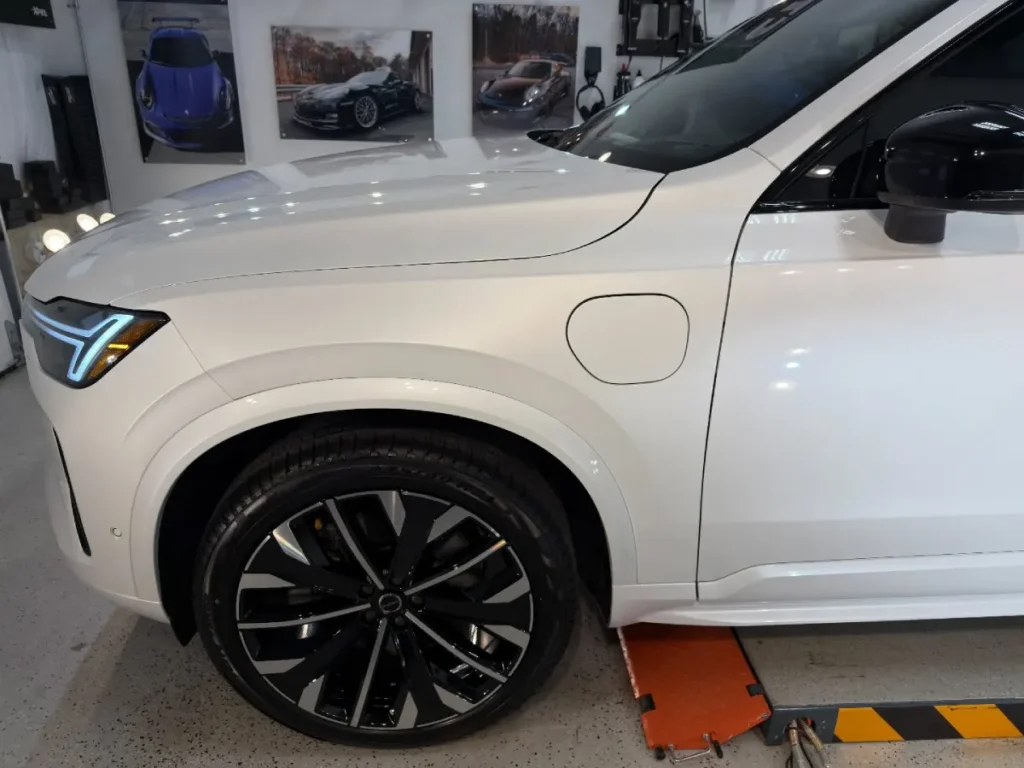
A common misconception is that wax alone can eliminate scratches and swirls. Wax only temporarily masks imperfections; it does not physically remove them. True paint correction requires compounding and polishing to level the paint surface. Even light swirls will remain visible if correction is skipped.
Professionals performing Connecticut paint correction consistently emphasize that mechanical polishing is the only reliable method for restoring a deep, glossy finish. Wax is only a finishing step for protection, not a corrective tool.
Maintenance Tips After Paint Correction
Proper maintenance extends the results of paint correction and protects your investment:
- Use microfiber wash mitts and high-quality car shampoo to prevent new scratches.
- Avoid automated car washes with brushes that can create swirl marks.
- Reapply protective layers every few months to maintain gloss and reduce wear.
- Park in shaded areas when possible to limit UV exposure that can dull paint.
Regular upkeep after correction ensures the car remains visually appealing and prevents minor scratches from becoming more noticeable imperfections. Technicians in Connecticut often recommend routine inspections and touch-ups to preserve the corrected paint.
In Summary
Paint correction is one of the most effective ways to remove scratches and swirl marks while restoring a vehicle’s original gloss and depth. When performed correctly, with proper polishing stages, tools, and maintenance practices, even cars exposed to harsh climates like Connecticut can achieve a refined, professional-level finish.
For long-lasting results and added protection, consider working with CT Ceramic Coatings, which offers professional paint correction and ceramic coating services to help preserve your vehicle’s restored appearance.
If you’re ready to restore your car’s shine and protect it from future damage, contact us today to schedule a consultation for paint correction and coating.
People Also Ask
Q: Can paint correction remove deep scratches?
A: Paint correction removes scratches that affect the clear coat and lightly penetrate the paint. Deeper scratches may require touch-up paint before correction.
Q: How often should I perform paint correction?
A: The frequency depends on vehicle use and environmental exposure. Many Connecticut owners find that once or twice a year is sufficient to maintain a smooth, glossy finish.
Q: Is paint correction safe for older cars?
A: Yes, as long as proper techniques and appropriate products are used, paint correction is safe for vehicles of any age.
Q: How long does paint correction last?
A: The longevity of the correction depends on maintenance, weather exposure, and protective coatings applied afterward. Results can last several months to a year.