
Professional paint correction varies based on vehicle size, paint condition, and the level of defect removal required. Light swirl removal and enhancement work is typically on the lower end of the complexity spectrum, while multi-stage correction for heavily damaged paint demands significantly more time, skill, and machine work. Pricing is driven primarily by labor hours and the level of finish required.
Understanding Professional Paint Correction
Paint correction is a mechanical polishing process that permanently removes surface defects by leveling the vehicle’s clear coat. Unlike waxing or sealants that only mask imperfections, this process physically refines the paint surface.
It requires controlled abrasion using machine polishers, specialized compounds, and inspection lighting to ensure defects are fully removed without over-thinning the clear coat.
Common Defects Removed
- Swirl marks from improper washing
- Light to moderate scratches
- Oxidation and fading
- Water spot etching
- Buffer trails or holograms
These issues are typically cumulative, especially on daily-driven vehicles exposed to seasonal environmental changes.
Average Price Breakdown by Service Level
- Pricing reflects the number of correction stages required and the severity of paint defects.
- Light Single-Step Correction
Time: Several hours
Purpose: Light enhancement and swirl reduction
Best For: Well-maintained vehicles needing minor refinement - Two-Step Correction
Time: 1–2 days
Purpose: Defect removal followed by refinement for improved clarity
Best For: Vehicles with visible swirls and light scratches - Multi-Step Correction
Time: 2–4+ days
Purpose: Intensive defect removal and high-gloss restoration
Best For: Heavily neglected or high-end finishes requiring maximum correction
What Actually Determines the Price?
Several technical factors influence the final cost beyond vehicle size alone.
Vehicle Size and Complexity
Larger panels and complex body lines increase polishing time and difficulty. SUVs and trucks typically require more labor than compact vehicles.
Paint Condition
The more defects present, the more compounding and polishing cycles are needed. Severely swirled paint can double or triple correction time.
Paint Hardness
Hard, clear coats require more aggressive polishing methods and longer correction cycles, while softer paints require more careful finishing to avoid haze.
Level of Finish Desired
Some clients want improvement, while others want near-perfect clarity. Higher expectations require more refinement stages.
Surface Preparation Matters More Than Most Expect
Before car paint correction in Connecticut begins, the paint must be fully cleaned and decontaminated. Skipping this step reduces effectiveness and can introduce defects during polishing.
Standard Preparation Process
- Iron particle removal
- Clay bar decontamination
- Strip wash to remove waxes and fillers
- Full lighting inspection
During a recent job in Harbor Point, improper decontamination caused polishing pads to clog early, reducing cutting efficiency and requiring a full reset of the process.
The Correction Process Explained
Paint correction follows a structured, multi-stage workflow.
Cutting Stage
This stage removes most visible defects using abrasive compounds and machine polishing. It is the most aggressive step.
Refinement Stage
This stage removes micro-marring created during cutting and improves gloss clarity.
Finishing Stage
The final polishing stage enhances depth, clarity, and reflection quality, especially on darker paint colors.
Each stage requires controlled machine speed, pad selection, and constant inspection under lighting.
Why Paint Correction Takes Time
Paint correction cannot be rushed without compromising quality.
- Light correction may take a few hours
- Moderate correction requires one to two days
- Full correction can extend beyond several days
Each panel is worked on individually, often multiple times, to ensure consistent results across the entire vehicle.
Myth: Paint Correction Damages Your Paint
Myth Statement
Many believe paint correction removes too much clear coat and damages factory paint.
Reality
Paint correction removes only microscopic layers of clear coat measured in microns. Professionals use paint thickness gauges to ensure safe limits are never exceeded.
In Connecticut, paint correction services, the real risk comes from inexperienced operators who use excessive pressure or incorrect compounds, which can permanently damage the clear coat rather than restore it.
Is Paint Correction Worth It?
Paint correction is both an aesthetic and functional investment.
Key Benefits
- Restores gloss and depth
- Improves resale value
- Prepares the surface for ceramic coating
- Removes long-term surface contamination effects
In Harbor Point, vehicles that underwent correction consistently performed better in resale evaluations than untreated vehicles.
Paint Correction vs Detailing
These services are often confused but serve different purposes.
Paint Correction
- Permanent defect removal
- Machine polishing process
- Multi-stage refinement
- Focus on surface leveling
Detailing
- Cleaning and cosmetic enhancement
- Wax and sealant application
- No defect removal
Correction is significantly more labor-intensive due to its permanent results.
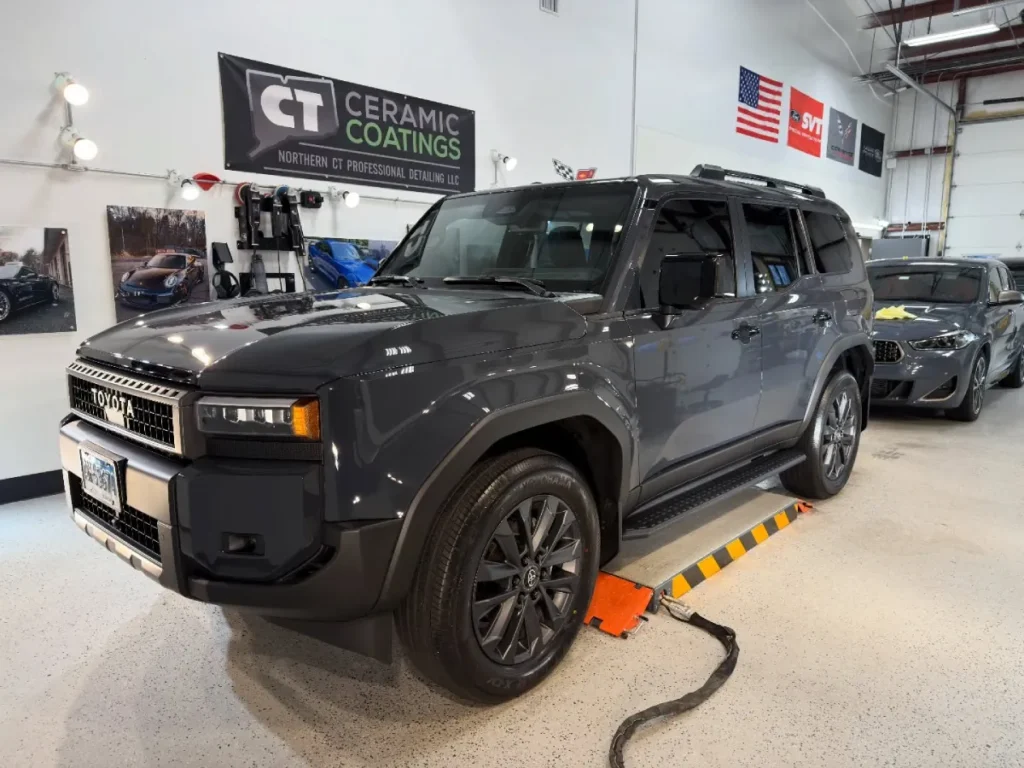
Choosing a Qualified Professional
Not all services deliver the same level of quality or safety.
What to Look For
- Before-and-after documentation
- Use of paint measurement tools
- Controlled lighting environment
- Clear explanation of process stages
Warning Signs
- Flat pricing without inspection
- Claims of 100% scratch removal
- No discussion of paint thickness
- Extremely fast turnaround promises
Inexperienced work can permanently damage the clear coat if improperly executed.
Environmental Impact on Paint Condition
Environmental exposure plays a major role in how often correction is needed.
Vehicles exposed to road salt, industrial fallout, or frequent automated washing degrade faster over time.
Paint correction in Connecticut conditions, seasonal changes, and road treatments accelerate surface wear, increasing demand for correction services.
Long-Term Maintenance After Correction
Proper maintenance preserves results for years.
Recommended Practices
- Hand washing with pH-neutral soap
- Avoiding automatic brush washes
- Using microfiber drying methods
- Applying ceramic coating or sealant
Without maintenance, swirl marks and defects will gradually return.
In Summary
Professional paint correction pricing reflects labor intensity, defect severity, and finish expectations rather than a fixed service cost. When performed correctly, it permanently improves clarity, gloss, and the overall condition of the vehicle. Providers such as CT Ceramic Coatings specialize in structured correction processes designed to achieve consistent, high-quality finish restoration.
If you are considering restoring your vehicle’s finish, contact us today. Our process is structured, measured, and focused on delivering consistent correction results without unnecessary work or shortcuts.
People Also Ask
What is the average cost of paint correction?
Costs typically vary widely based on paint condition, vehicle size, and the level of correction required, with more extensive defect removal requiring significantly higher investment than light enhancement work.
How long does paint correction last?
Results typically last 1 to 3 years, depending on maintenance habits.
Can all scratches be removed?
Only scratches within the clear coat can be corrected. Deep scratches may remain visible.
Is paint correction safe?
Yes, when performed professionally with proper tools and measurement.
Do new cars need paint correction?
Sometimes. Many new vehicles have transport or dealership-induced imperfections.