
Keeping a classic car in top condition during storage requires preparation and regular maintenance. Addressing moisture, temperature, and mechanical concerns before and during storage prevents rust, interior damage, and engine deterioration. Following a structured plan ensures your vehicle stays ready for the road even after months of inactivity.
Why Storage Conditions Require Special Care
Classic cars need special attention when stored, especially in areas with changing seasons. Connecticut experiences cold winters with snow and road salt, as well as humid summers, which can accelerate corrosion and promote mold growth inside the vehicle. Simple garage storage often fails to protect against these risks.
Even short-term neglect can lead to damage. Cold temperatures can compromise seals, fluids can thicken or degrade, and tires can develop flat spots if left stationary for extended periods. Understanding these environmental factors is the first step in preventing long-term damage and preserving your car’s value.
Pre-Storage Preparation Checklist
- Thorough Cleaning: Wash and dry your car completely, including the undercarriage. Salt, dirt, and grime accelerate rust if left on the metal.
- Wax or Paint Sealant: Apply a protective coat to guard against moisture and dust while enhancing paint longevity.
- Oil and Fluid Change: Replace engine oil and filter, and top off coolant, brake fluid, and transmission fluid. Fresh fluids prevent internal corrosion.
- Fuel Stabilizer: Fill the gas tank and add stabilizer to prevent oxidation and varnish formation over long storage periods.
- Tire Maintenance: Inflate tires slightly above recommended levels to avoid flat spots and tire deformation.
- Battery Care: Disconnect or remove the battery to prevent discharge and corrosion.
- Seal Openings: Cover exhaust pipes, air intakes, and other openings to keep pests out.
- Moisture Absorbers: Place desiccant packs inside the cabin to control humidity and prevent mold growth.
- Car Cover: Use a breathable, high-quality cover to protect paint while allowing trapped moisture to escape.
Professional car storage in Connecticut facilities often recommends these steps as standard practice. Even if you store the car yourself, following a full preparation routine significantly reduces maintenance issues.
Choosing the Right Storage Option
Selecting the right storage space is critical for long-term preservation. Consider the following comparison:
| Feature | Climate-Controlled Storage | Standard Garage Storage | Outdoor Storage |
| Temperature Stability | Excellent | Moderate | Poor |
| Humidity Control | High | Low | None |
| Protection from Elements | Full | Partial | Minimal |
| Cost | High | Medium | Low |
| Best for Classic Cars | Ideal | Acceptable | Not Recommended |
Climate-controlled units maintain consistent temperature and humidity, preventing rust, mold, and interior deterioration. Standard garages may suffice for short-term storage, but long-term protection requires better regulation. Outdoor storage is generally unsafe for classic vehicles because prolonged exposure can damage paint, rubber, and interior surfaces.
During a recent inspection of Connecticut car storage units, it was noted that climate control and humidity management are often the deciding factors between well-preserved cars and vehicles that require costly restoration after a few months of inactivity.
Moisture and Rust Prevention Strategies
Moisture is one of the biggest threats to stored vehicles. Key prevention strategies include:
- Dehumidifiers: Use small dehumidifiers or desiccant packs to reduce ambient humidity.
- Vapor Barrier: Place a barrier beneath the car to prevent moisture from seeping up from the floor.
- Avoid Bare Concrete: Direct contact with concrete draws moisture into tires and the undercarriage. Use mats or wooden planks instead.
- Window Ventilation: In secure facilities, slightly cracked windows can prevent condensation while maintaining safety.
- Regular Inspections: Check for moisture buildup, particularly during humid months.
Even minor humidity can accelerate corrosion. During an audit for a classic car facility in Hartford, Connecticut, cars stored without moisture mitigation showed surface rust on metal trim within a few months.
Battery and Electrical System Maintenance
Electrical systems are vulnerable in storage if not managed properly:
- Battery Tender vs Removal: A battery tender keeps the battery charged, but removal may be safest for long-term storage.
- Parasitic Drain Prevention: Disconnect accessories or circuits that draw power to prevent battery depletion.
- Rodent Protection: Seal openings to prevent animals from chewing wiring or nesting in the engine bay.
Proper battery and electrical maintenance ensures your vehicle starts reliably after storage.
Tire and Suspension Protection
Stationary vehicles are at risk of flat spots and suspension strain.
- Tire Cradles or Jack Stands: Relieve pressure on tires and suspension.
- Rotate Tires: Prevent uneven wear and deformation before storage.
- Avoid Flat-Spotting: If possible, slightly move the car or use supports.
- Alignment Check: Correct alignment prevents suspension strain and uneven tire wear.
These precautions are particularly important in regions like Connecticut, where cold concrete floors can exacerbate tire and suspension issues.
Interior Preservation Techniques
Classic interiors are sensitive to environmental changes:
- Leather Conditioning: Prevents cracking and fading.
- Fabric Protection: Covers or sprays protect upholstery from mold and dust.
- UV Protection: Even in storage, light exposure can damage interiors, so shaded or dark spaces are ideal.
- Odor and Mold Prevention: Regular inspections and moisture absorbers reduce musty smells and mold growth.
Periodic Maintenance During Storage
Storage isn’t just about pre-storage preparation. Regular check-ins are essential:
- Start the engine monthly in a ventilated area.
- Move the car slightly to redistribute weight and reduce flat spots.
- Inspect fluid levels and check for leaks.
- Look for signs of pests.
- Recharge or maintain the battery if not using a tender.
Even short maintenance routines prevent significant issues, keeping the vehicle ready to drive at any time.
Applying This to Solve the Problem
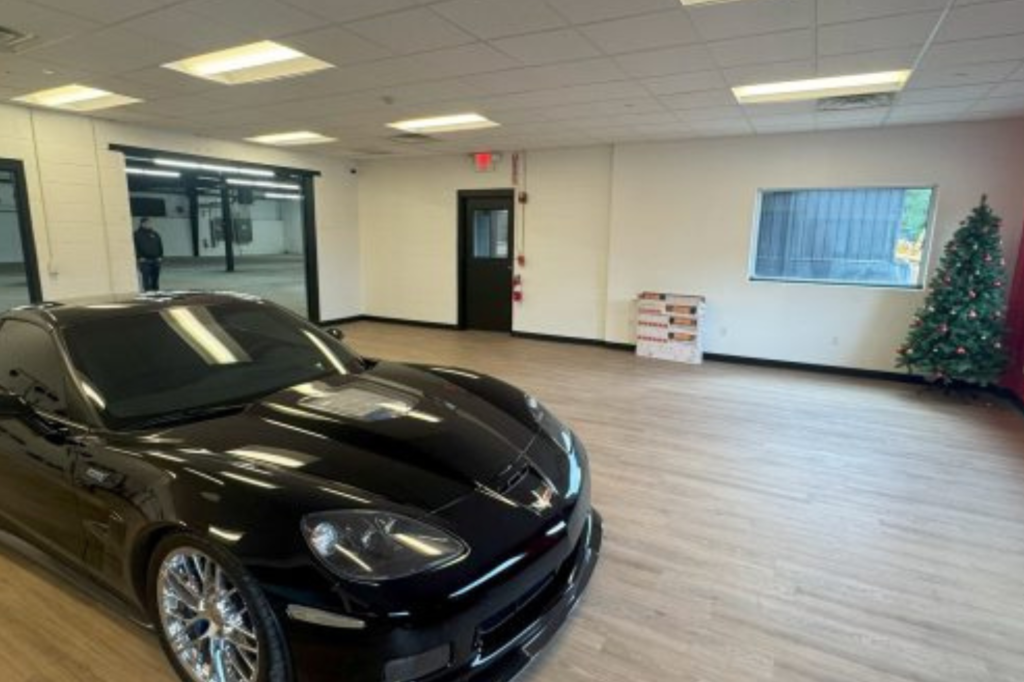
Combining all strategies creates an effective storage plan. Using professional Connecticut car storage services can provide secure spaces, climate control, and optional monitoring for added peace of mind. Even if you handle storage independently, combining pre-storage preparation, moisture mitigation, and regular inspections minimizes all major risks. Monthly check-ins ensure any issues are caught early, preserving both appearance and mechanical condition.
Common Mistake Comparison
| Mistake | Consequence | Correct Approach |
| Storing with low fuel | Tank corrosion | Keep the tank full and stabilized |
| Skipping oil change | Engine contamination | Change oil before storage |
| Using a plastic tarp cover | Trapped moisture and rust | Use a breathable car cover |
| Leaving the car on bare concrete | Moisture seepage into tires/metal | Use a barrier or mats |
Avoiding these mistakes is crucial for protecting your investment and avoiding costly repairs after storage.
Debunking a Common Industry Myth
Myth: “Starting the car occasionally is enough to maintain it.”
Reality: Simply idling the engine does not fully heat it. Condensation in the engine and exhaust may remain, leading to corrosion. Proper preservation requires full preparation, proper storage, and periodic maintenance or safe driving in a ventilated area.
Long-Term Storage vs Short-Term Storage
| Factor | Short-Term (1–3 months) | Long-Term (6+ months) |
| Fuel Stabilizer | Optional | Required |
| Battery Removal | Optional | Recommended |
| Tire Elevation | Not necessary | Recommended |
| Full Prep Checklist | Partial | Full required |
Long-term storage, especially in regions with seasonal changes, such as Connecticut, requires comprehensive preparation to avoid damage.
In Summary
Maintaining a classic car during storage requires careful attention to moisture, temperature, and inactivity. To keep your vehicle in pristine condition, start with structured preparation steps such as cleaning, waxing, and fluid checks. Choosing a proper storage environment, ideally climate-controlled and secure- minimizes risks like rust, mold, and battery drain. Periodic maintenance, including starting the engine and inspecting seals, preserves both mechanical and cosmetic integrity.
For optimal protection, services like CT Ceramic Coatings can provide professional-grade coatings that shield paint and surfaces from environmental damage during storage. Whether you manage storage yourself or rely on experts, these strategies help maintain your classic car’s value and appearance, ensuring it’s always ready to drive.
Protect your investment today! Contact us today to learn more about our storage preparation and coating services. Call us or visit our website to schedule a consultation and keep your classic car in showroom condition.
People Also Ask
Q: How often should I check my classic car in storage?
A: Monthly inspections are recommended to monitor fluids, tires, battery, and interior condition.
Q: Is climate-controlled storage necessary for classic cars?
A: Climate control significantly reduces rust, moisture damage, and interior deterioration.
Q: Can I leave my car’s battery connected in storage?
A: For long-term storage, disconnecting the battery or using a tender is recommended.
Q: Should I cover my car in storage?
A: Yes, a breathable cover protects paint while allowing moisture to escape.
Q: How do I prevent tire flat spots?
A: Use jack stands, tire cradles, or slightly move the car each month.